


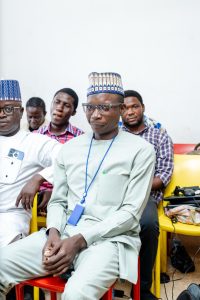
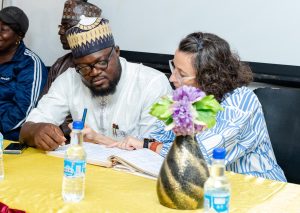
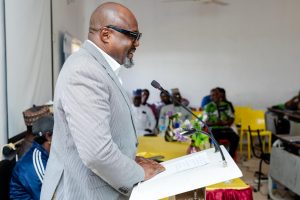

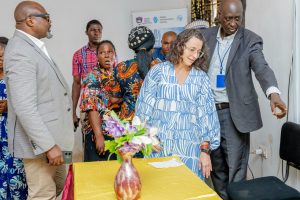
…As partners conclude three-day intensive training in Karu
Teachers from rural communities in Nigeria have called on the International Telecommunication Union (ITU) and the Digital Bridge Institute (DBI) to organise more digital skills and Information and Communication Technology (ICT) training programmes for teachers in rural communities across the country.
The teachers said the call had become necessary as educational institutions around the world increasingly leverage emerging digital technologies to enhance teaching, learning and academic development.
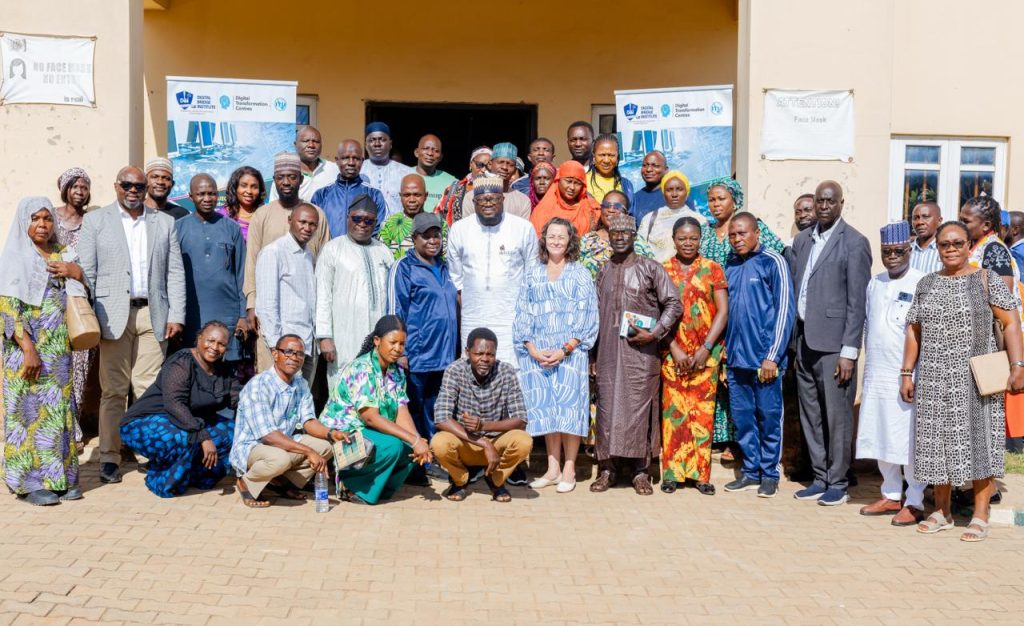
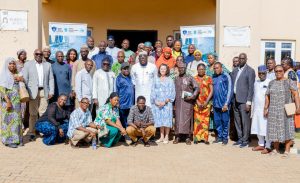
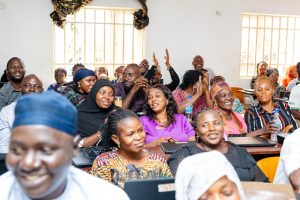
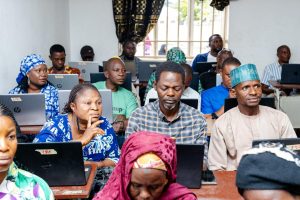
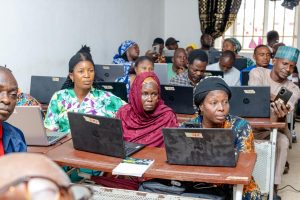
They made the appeal following their participation in a three-day intensive digital skills training programme organised by DBI in partnership with the ITU and Cisco. More than 100 teachers from rural communities around Karu participated in the pilot phase of the programme.
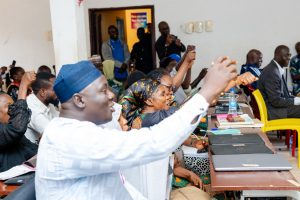
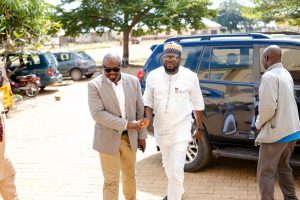
The participants made the call during the closing ceremony of the training held at Government Senior Secondary School, Karu, a suburb of Abuja, Nigeria’s Federal Capital Territory.
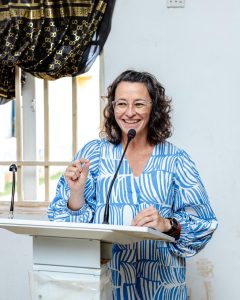
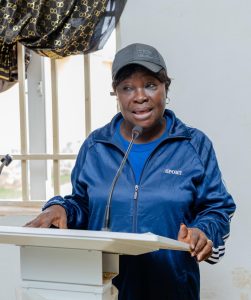
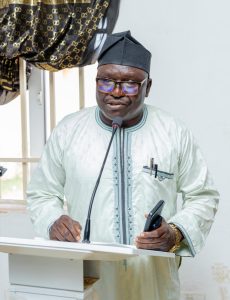
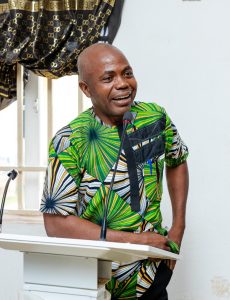
Speaking on behalf of their colleagues while addressing the ITU Senior Digital Skills Officer, Ms. Robyn Fysh, and the DBI President/Chief Executive Officer, Mr. David Daser, Mrs. Mary Okotie and Mr. Mathias Nnadozie acknowledged the impact of the training and the knowledge they acquired during the programme.
They stressed the need for the initiative to be extended to more teachers and students at the grassroots level and sustained across the country.
Commending the ITU, DBI, Cisco and other partners who contributed to the success of the programme, Mrs. Okotie, a Mathematics teacher, expressed satisfaction with the training and thanked the organisers for the opportunity to participate.
She particularly commended the instructors for their efforts and appealed to the organisers and their partners to sustain and expand the programme.
Also speaking, Mr. Nnadozie, a teacher at Junior Secondary School, Jikwoyi, commended the instructors for their patience and approach to teaching the participants.
He said the training had provided teachers with practical tools and methodologies that would make teaching and learning easier and more effective.
“You see the circumstances we are facing as teachers in this area, as institutions and schools in Nigeria. You have come with this methodology to make it easy. I promise you, on behalf of all of us, that our teaching and learning will be easier, faster and better.”
Nnadozie added that the skills acquired would enable teachers to make greater use of digital tools in assigning tasks and engaging their students.
“We are going to reduce the workload by giving our students more assignments using the facilities you have exposed us to, and I want to tell you that we are going home better. You can also make us facilitators in the form of train-the-trainers, so that we can train others.”
The Principals of Government Senior Secondary School, Karu, Mrs. Akinje Esther Omotolan, and Government Junior Secondary School, Karu, Mr. Moses Shimachimin, also supported the call for the expansion of the programme and commended the ITU and DBI for the initiative.
They assured the organisers that participants would be monitored to ensure that the knowledge and skills acquired during the training were effectively transferred to their students.
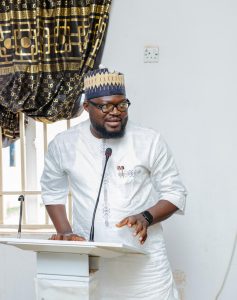
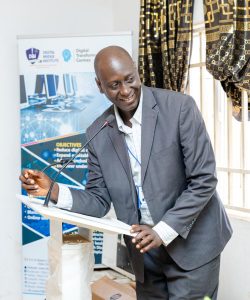
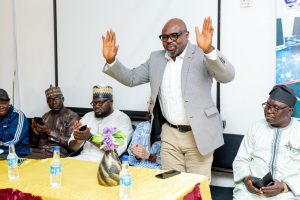
Declaring the programme closed, the DBI President/CEO, Mr. David Daser, encouraged the participants to put their newly acquired skills into daily practice so that the knowledge would be retained and effectively applied.
Daser said: “Talent is universal but opportunity might not be. Wherever you live, the only thing that can allow you to see the world as it is and put you at a level playing field with everybody in the world is technology and the ability to use the technology.
“I therefore advise you to use the knowledge you acquired here to look at the world in different ways and apply the skills you have been taught to open doors of opportunities.”
Daser thanked the leadership of the Karu community and the school authorities for providing the opportunity to host the pilot phase of the programme in the community. He also commended the ITU for its support.
Also speaking, DBI’s Head of Research, Innovation and Partnership (RIP), Dr. Paulinus Ugwoke, urged the participants not to abandon the knowledge acquired during the training, stressing that technology is dynamic and constantly evolving.
Ugwoke said the impact of the initiative should extend beyond the participants to their schools, communities, families and friends.
According to him, “the impact of this initiative is not limited to the participants but, most importantly, to your communities, your schools, families and friends, so that everybody will be carried along.”
He said the initiative was in line with the vision of the United Nations, through the ITU, to promote digital inclusion and ensure that underserved and marginalised populations are reached.
Ugwoke explained that DBI was committed to extending the vision by taking digital skills opportunities to underserved and marginalised communities across Nigeria.
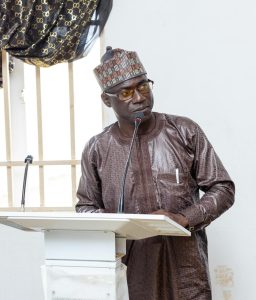
Dr. Ododa Abubakar, who represented the Acting Executive Chairman of the FCT Universal Basic Education Board (FCT-UBEB) at the event, also applauded the initiative, describing it as important to improving the delivery of education in Nigeria.
Soji Fagbemi
Head, Public Affairs & Media Relations, DBI.