






Commend NCC Telecommunication Museum excursion, DTC Mobile Bus visit and AI training
Young children and students who participated in the 2026 Digital Bridge Institute (DBI) Holiday Boot Camp have described the programme as “a lifetime experience and digital training packed into one,” highlighting the value of the three-week training, excursion and practical learning experiences.
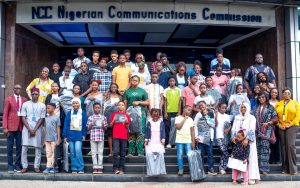
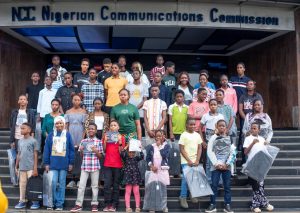
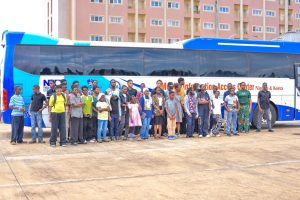
The participants, aged between 8 and 21, particularly commended the excursion to the Nigerian Communications Commission (NCC) Telecommunication Museum, the visit to and use of DBI’s Digital Transformation Centre (DTC) Mobile Bus, as well as the digital skills training they received, especially in Artificial Intelligence (AI) and other areas of Information and Communication Technology (ICT).
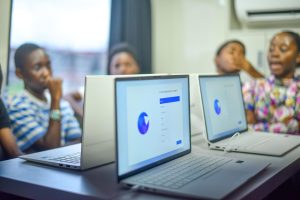
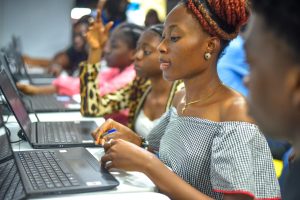
A total of 41 students commenced the three-week AI training programme, themed “AI Innovators Bootcamp: From AI User to AI Creator,” at the DBI Headquarters, Utako, Abuja, on Monday, August 3, 2026. The intensive, hands-on learning programme covered four major tracks: AI Fundamentals, Prompt Engineering, Chatbots, and Responsible AI.
In their assessment of the programme, the participants commended the DBI management, the NCC, the Business Development and Client Services (BDCS) Department, and the Research, Innovation and Partnership Department of DBI for their roles in coordinating and facilitating the training and related activities.
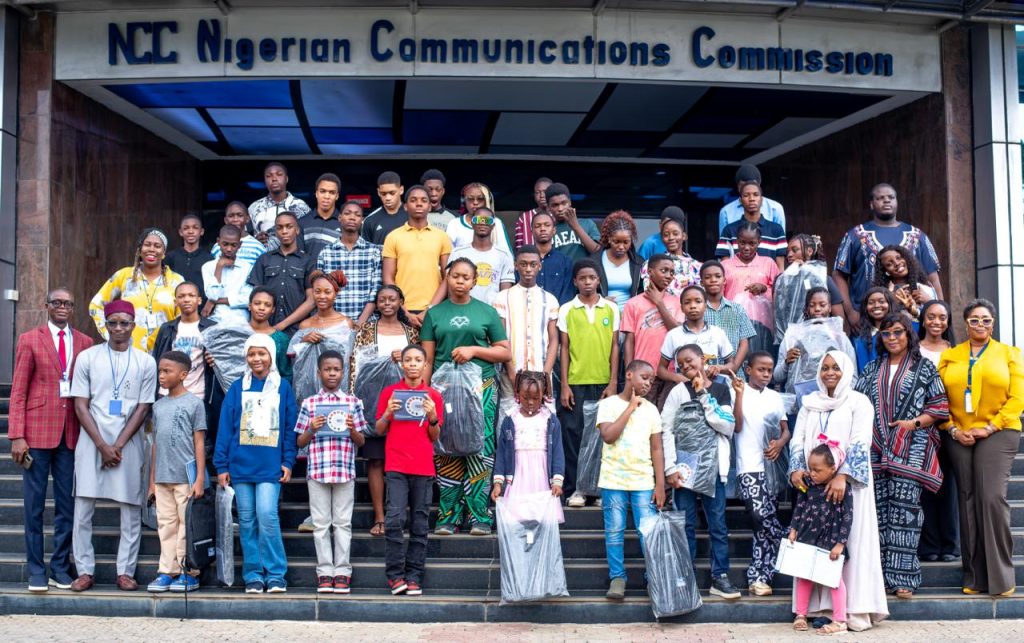
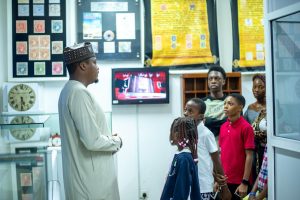
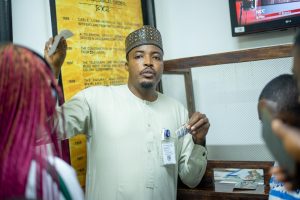
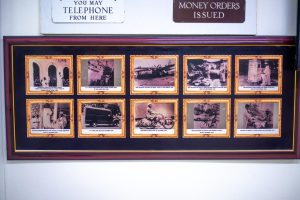
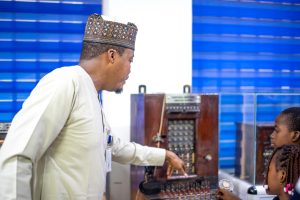
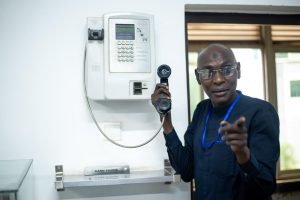
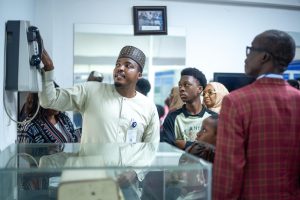
Beyond the classroom sessions, the participants embarked on an educational excursion to the NCC Telecommunication Museum, where Mr. Abdulrahman Nazifi, who served as the tour guide, took them through the evolution of telecommunications in Nigeria—from the history of the Nigerian postal service and the development of telecommunications to the current state of the industry, including cellular telephony and the telecommunications revolution that began in 2001.
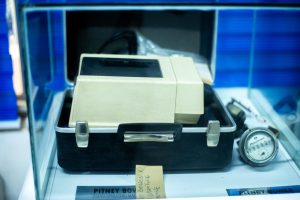
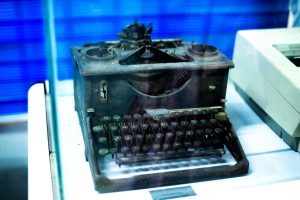
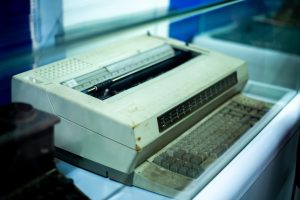
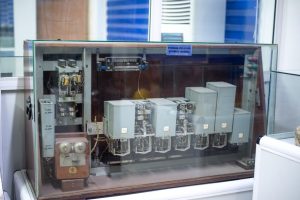
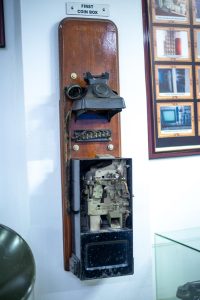
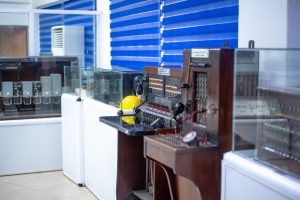
The students were excited to see historical artefacts, including an old post office counter dating back to 1852, sorting racks, postal stamps, a letter scale, a money order paid journal, a 1902 Imperial typewriter used for printing letters, a fire blanket, a 1837 telegraph machine, an 1846 teleprinter, as well as equipment from the analogue era, including copper-weld telephone cables.
Mr. Nazifi also introduced the participants to the evolution of telephones, from the 1890s line-corded candlestick telephone and 1930s rotary-dial phones to push-button and touch-tone phones of the 1980s, digital card phones, 1990s digital telephones, cellular phones, the 1994 Nokia models, BlackBerry Curve, iPad and modern smartphones.
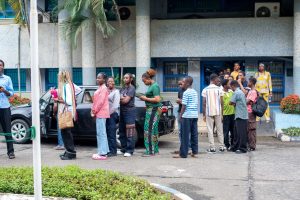
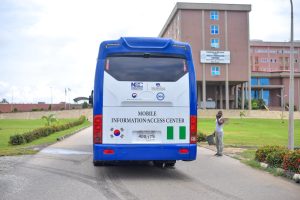
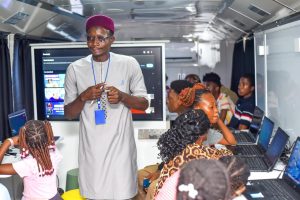
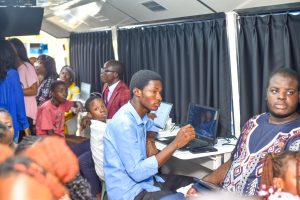
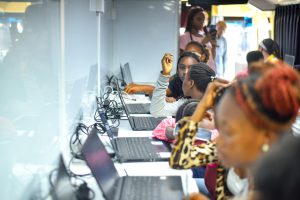
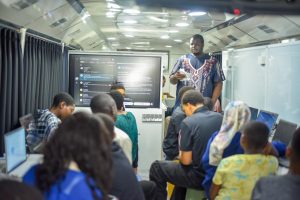
The participants also described their visit to the DBI Digital Transformation Centre (DTC) Mobile Bus as another memorable part of the programme. The mobile bus is equipped with laptops, a smart television screen, built-in sofas and tables, providing a conducive environment for modern digital training and learning.
Relating her experience, Precious Akwu described the programme as excellent. “It is a lifetime experience. The excursion to the NCC Telecommunication Museum and the visit to the Digital Transformation Centre (DTC) Mobile Bus were excellent. The classroom was very conducive, and the training instructors did their best. Some of the most interesting parts of the training were the excursion to the mobile bus, the NCC Museum and, of course, the teachers,” she said.
Another participant, Enakemu Daniella, described the programme as educative and enjoyable. “My experience at this IT boot camp was both exciting and challenging. I learned new tech skills and worked with others on practical projects. I believe boot camps like this are important because they help people grow in the technology field,” she said.
For Onwuegbuna Chibuike Benedict, the training and excursions were particularly valuable because they demonstrated the relevance of AI beyond the technology sector. “My experience at the DBI training and the excursion to the Nigerian Communications Commission and the Digital Transformation Centre Mobile Bus was a phenomenal experience for me. As a pharmacy student, I also understood that AI could be beneficial to my field of study. I learned about the use of AI tools such as Perplexity, NotebookLM and Gamma for research. Overall, it was an interesting and valuable experience,” he said.
Nweje Olisaemeka also described the experience as enjoyable and informative. “From what I witnessed, the experience was lovely and I really enjoyed it. The learning process was very interactive and fun. The courses I took have helped me so far. The excursion was fun and I really learned a lot. I got to know about the early forms of communication, and it was a lovely experience,” he said.
Similarly, Nnamdim Rachael said the AI training broadened her understanding of the technology and its practical applications. “My experience during the AI training was very interesting and educative. I learned more about Artificial Intelligence, its applications, how it can be used in the real world and how it can solve real-world problems. We also learned about the history and development of communication in Nigeria, from old post office systems and early methods of sending messages to telephones, computers and the modern technology we use today,” she said.
David Adedamola described the excursion to the NCC Museum as particularly memorable. “The excursion to NCC was very memorable because I saw how communication developed in Nigeria. We saw the old telecommunication systems and learned about those old technologies. The experience was good. I liked the classes we had; they were really helpful. The facility is great, the lecturers are friendly, and the classes were easy to understand,” he said.
The Head of Unit, Business Development and Client Services (BDCS), DBI, Mrs. Judith Uzugbo, said the NCC Telecommunication Museum provided the participants with valuable insights into the evolution of telecommunications in Nigeria.
She explained that the museum houses artefacts dating back to the 19th century and provided the students with an opportunity to see some of the communication technologies that existed several decades ago.
According to her, the participants were exposed to the evolution of communication, from the postal system, envelopes and stamps to analogue communication technologies, early computers, telephone booths, telephone cards and other communication tools used before the advent of modern digital technologies.
While commending the NCC for the warm reception accorded the participants, as well as its significant contribution to the programme and the gifts presented to the children, Uzugbo described the excursion as highly enlightening.
“The excursion was expository in every sense of the word. It was educative and will help to build the career aspirations and curiosity of the children for the future,” she said.
The Head of the Research, Innovation and Partnership Department, DBI, Dr. Paulinus Ugwoke, also played a critical role in ensuring the success of the boot camp, particularly in facilitating the participants’ use of the DTC Mobile Bus.
Ugwoke called for the expansion of the programme to accommodate more children and students within the Federal Capital Territory (FCT), noting that wider participation would provide more young Nigerians with opportunities to develop relevant digital and AI skills.
Soji Ezekiel Fagbemi
Head, Public Affairs, DBI.